
Walk down almost any store aisle and you will encounter three very different types of packaging within a matter of seconds. A cereal box made of folded cardboard, a bottle of shampoo molded from flexible plastic, and a can of soup formed from pressed metal all sit within arm's reach of each other, yet each one represents a completely different set of engineering decisions, material behaviors, and cost considerations. Comparing paper, plastic, and metal packaging is not really about declaring one option better than the others. It is about understanding what each material does well, where it struggles, and why manufacturers keep choosing all three depending on what the product actually needs.
This kind of comparison matters more than it might seem at first glance. Packaging choices affect shipping weight, shelf presentation, protection against damage, environmental footprint, and even how consumers perceive the product inside. Getting familiar with the practical differences between these three material families gives anyone involved in sourcing, retail, or product development a clearer path toward smarter decisions.
Paper Packaging: Where It Tends to Work Well
Paper and paperboard packaging cover a wide range of formats, from simple bags and wrapping paper to rigid corrugated boxes and folding cartons. What ties them together is a shared origin in wood pulp fiber, processed and pressed into sheets of varying thickness and strength.
One of the clearest advantages of paper-based packaging is how naturally it lends itself to printing and branding without requiring specialized coatings or additional processing steps. It also tends to be lighter than metal, which can meaningfully reduce shipping costs across large volumes. Many paper packaging formats are also widely accepted in curbside recycling programs, which makes end-of-life handling relatively straightforward for consumers in many regions.
That said, paper has real limitations. On its own, it offers very little resistance to moisture, oxygen, or grease. This is why so many paper-based packages include a coating or lining, whether that is a thin plastic film, a wax layer, or a specialty coating designed to add some barrier function without abandoning the paper base entirely. Without some kind of treatment, plain paper packaging is not a good fit for anything that needs to stay fresh for an extended period or that involves liquids.

Typical Paper Packaging Formats
- Folding cartons for dry goods and consumer products
- Corrugated shipping boxes for e-commerce and bulk transport
- Paper bags for retail and food service
- Coated paperboard for products needing light moisture resistance
Plastic Packaging: Flexibility Meets Function
Plastic packaging is arguably the most varied category of the three, ranging from soft flexible films and pouches to rigid bottles, tubs, and clamshells. The sheer range of plastic resin types available means packaging designers can tune properties like flexibility, clarity, and barrier performance to a fairly specific degree.
A major strength of plastic packaging is its ability to form tight, protective seals around a product. Many plastic films and containers offer meaningful resistance to moisture and oxygen transfer, which explains why plastic remains common for food items with longer shelf life expectations. Plastic is also relatively lightweight compared to metal and glass, which helps with transportation efficiency.
The tradeoffs are well known at this point. Traditional plastic packaging is often derived from petroleum-based sources, and not all plastic types are accepted equally across recycling systems. Some flexible plastic formats, particularly multi-layer laminates that combine several material types for barrier performance, can be genuinely difficult to recycle using conventional municipal systems. This has pushed considerable interest toward mono-material plastic structures and recycled content, though adoption still varies widely depending on the product category and region.

Typical Plastic Packaging Formats
- Flexible pouches and stand-up bags
- Rigid bottles and jars
- Clamshell containers for produce and baked goods
- Shrink wrap and stretch film for bundling
Metal Packaging: Built for Strength and Protection
Metal packaging, most commonly seen in the form of cans, tins, and foil, brings a different set of strengths to the table. Metal offers a strong natural barrier against light, oxygen, and moisture without needing additional coatings or laminate layers, which makes it a dependable option for products that require long-term stability without refrigeration.
Metal also tends to hold up well under physical stress, resisting punctures and crushing far better than either paper or most plastic formats. This is part of why canned goods can sit on a shelf for extended periods and still travel through rough handling during shipping without failing.
On the other hand, metal packaging is heavier than paper or plastic, which increases shipping costs and fuel use across large transport volumes. Production processes for metal packaging also tend to be more energy-intensive compared to paper or many plastic formats, although metal packaging generally recycles well and can be reprocessed repeatedly without significant loss of material quality.
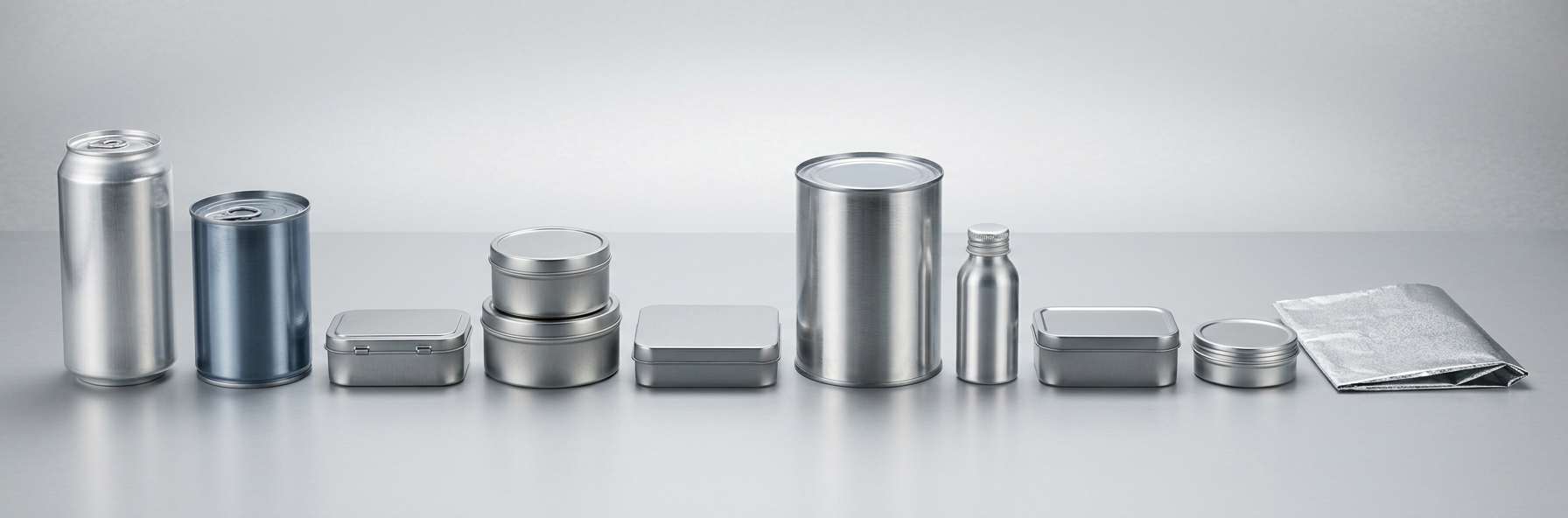
Typical Metal Packaging Formats
- Beverage and food cans
- Aerosol containers
- Foil wraps and trays
- Tins for specialty and gift products
Side by Side Comparison
| Factor | Paper Packaging | Plastic Packaging | Metal Packaging |
|---|---|---|---|
| Moisture Resistance | Weak unless coated | Generally good | Strong |
| Weight | Light | Light to moderate | Heavier |
| Recyclability | Widely accepted | Varies by type | Generally strong |
| Printability | Straightforward | Requires specific inks or films | Requires specialized printing methods |
| Physical Durability | Moderate | Moderate to good | Strong |
| Typical Shelf Life Support | Short to moderate | Moderate to extended | Extended |
Environmental Considerations Worth Understanding
Sustainability conversations around packaging rarely have a simple answer, and comparing these three materials makes that clear. Paper packaging often scores well on recyclability and renewable sourcing, assuming responsible forestry practices are followed, but its production process still involves water and energy use that should not be ignored. Plastic packaging can reduce overall material weight and food waste through effective barrier protection, yet its end-of-life outcomes depend heavily on regional recycling infrastructure and the specific plastic type used. Metal packaging supports repeated recycling with minimal quality loss, but its heavier weight and more energy-intensive production process carry their own environmental costs.
None of these materials is automatically the responsible choice in every situation. The right decision usually depends on the specific product, the expected shelf life, the transportation distance, and the recycling infrastructure available in the regions where the product will be sold.
How Industries Typically Choose Between These Materials
Different industries gravitate toward different materials based on what their products actually require.
Food and Beverage Many food brands mix and match depending on the product. Dry goods often use paper-based cartons or bags, shelf-stable liquids and sauces frequently use metal cans, and fresh or moisture-sensitive items often rely on plastic films or containers with tailored barrier properties.
Personal Care and Cosmetics Plastic remains common here due to its moldability and compatibility with liquid or gel formulations, though paper-based secondary packaging is increasingly used for outer boxes and inserts.
Industrial and Chemical Goods Metal containers are frequently chosen for products requiring strong protection against leakage, pressure, or reactivity with air, while plastic drums and containers serve products where weight reduction matters more than maximum durability.
Retail and E-Commerce Shipping Paper-based corrugated boxes dominate this space due to their combination of strength, light weight, and straightforward recyclability, though plastic mailers remain common for lightweight, non-fragile shipments.
A Practical Way to Decide Which Material Fits
Instead of asking which material is generally better, a more useful approach is asking a series of targeted questions about the specific product in question.
- Does the product need protection from moisture, oxygen, or light, and how sensitive is it to each?
- What shelf life does the product need to maintain in typical storage and retail conditions?
- How will the product be transported, and does weight meaningfully affect shipping cost?
- What recycling infrastructure exists in the primary markets where the product will be sold?
- Does the packaging need to support specific branding, printing, or shelf presentation requirements?
Working through these questions tends to reveal a clearer answer than simply defaulting to whatever material feels familiar or traditional for a given product category.
A Few Myths Worth Addressing
Myth: Plastic packaging is always worse for the environment than paper or metal. This depends heavily on the specific use case. In some situations, lightweight plastic packaging reduces transportation emissions and prevents food waste more effectively than heavier alternatives, even if its recycling rate is lower in certain regions.
Myth: Paper packaging can replace plastic in any application. Paper struggles significantly with moisture and grease resistance unless specially coated, which limits its use in many food and liquid applications without added treatment.
Myth: Metal packaging is only suitable for canned food. Metal packaging extends well beyond canned goods, showing up in aerosol products, specialty containers, and various industrial applications where strength and barrier protection matter more than weight.
As packaging regulations and consumer expectations continue evolving, all three material categories are seeing meaningful innovation. Paper-based solutions are improving barrier coatings to expand their use in moisture-sensitive applications. Plastic packaging is shifting toward simplified mono-material structures designed for easier recycling. Metal packaging continues benefiting from established recycling systems while exploring lighter-weight formats to reduce transportation impact.
Rather than one material eventually replacing the other two, the more likely outcome is continued coexistence, with each material serving the specific needs it handles well. Understanding those strengths and limitations, rather than treating any single material as a universal answer, remains the most practical way to make informed packaging decisions across any industry.